Beyond Self-Custody: Why True Sovereignty Requires Ending the KYC Trap
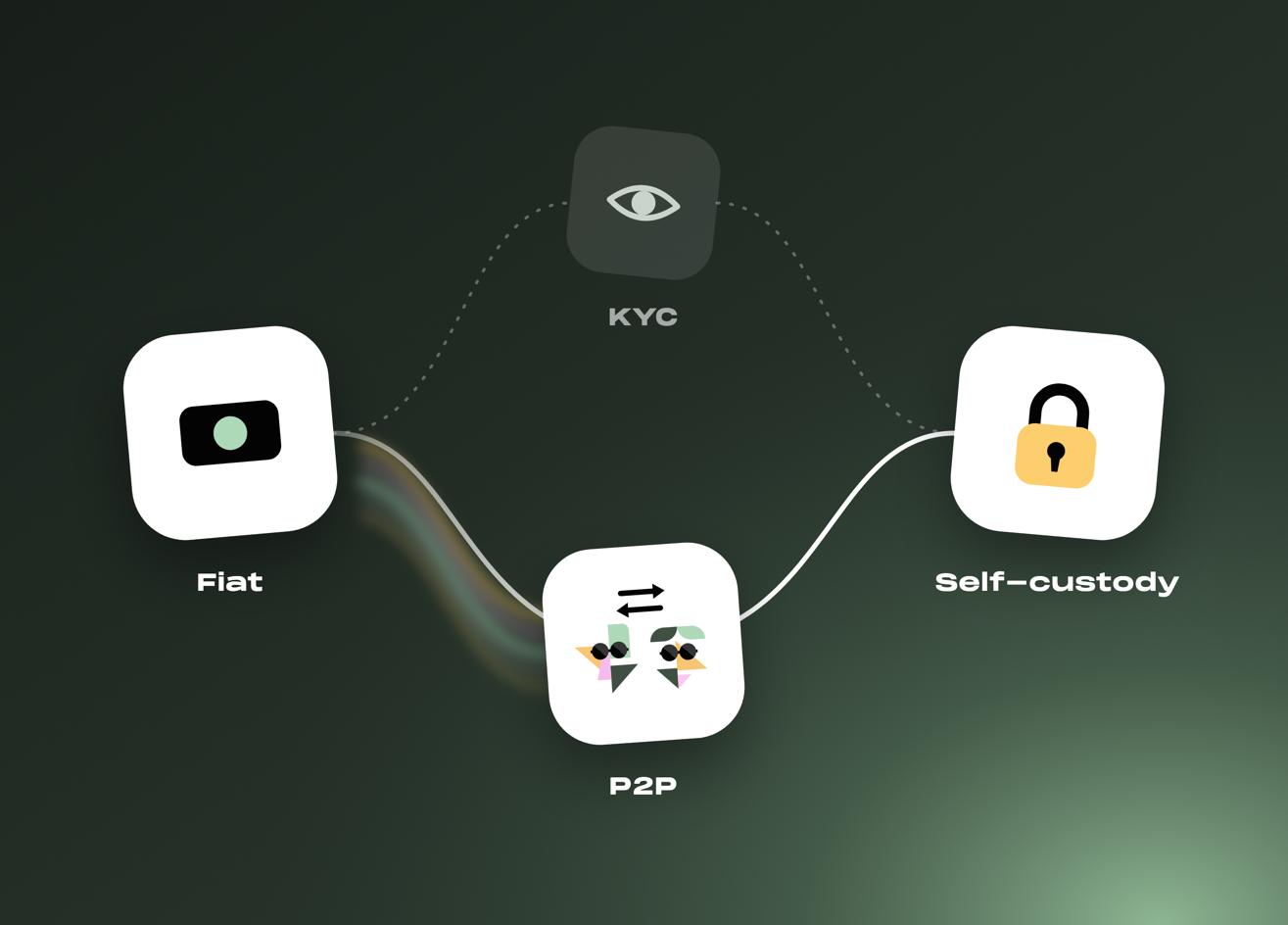

For years, the Bitcoin mantra has remained simple: Not your keys, not your coins. Self-custodying your assets on a hardware wallet is often treated as the ultimate milestone of freedom. But as the regulatory landscape tightens and corporate data breaches become an everyday occurrence, a harsh reality is setting in: holding your own keys is only half the battle.
But as the regulatory landscape tightens and corporate data breaches become an everyday occurrence, a harsh reality is setting in: holding your own keys is only half the battle against account freezes, surveillance, and arbitrary restrictions.
True financial sovereignty means controlling how you access Bitcoin—without someone else controlling it before you do.
The Illusion of Control Through Centralized Platforms
When you purchase Bitcoin through a traditional, centralized exchange, you might walk away with self-custody if you withdraw your funds. However, the path to getting those coins exposes you entirely. Centralized onboarding acts as a gatekeeper, deciding:
- If you are even allowed to trade based on your geography, document approval, or account flags.
- What personal data you must hand over, including high-definition selfies, passport scans, home addresses, and invasive source-of-funds questionnaires.
- Who gets to audit and store your most sensitive financial history—ranging from commercial KYC vendors and banking partners to tax authorities and law enforcement.
You fork over your most intimate data, jump through hoops, and still face arbitrary restrictions, frozen withdrawals, or closed accounts.
The Honeycomb of Surveillance and Data Leaks
The accumulation of identifying data in anti-money laundering (AML) and know-your-customer (KYC) databases is fundamentally flawed. The more information is aggregated, the more attractive these centralized databases become to bad actors.
Incidents like the recent Revolut breach—where the personal data and transaction histories of hundreds of customers were handed directly to criminals posing as government officials—illustrate that even "reputable" fintechs are vulnerable. Once your identity documents, verification selfies, and withdrawal records leak, they live on the internet forever.
In the real life of a Bitcoin holder, this data exposure paves the way for severe threats:
- Targeted phishing utilizing actual transaction details to fool you.
- Identity theft and SIM swapping to hijack your communications.
- Physical extortion or wrench attacks, because criminals already know from leaked databases that you own crypto.
Data you never give away cannot be leaked, and an identity you never reveal cannot be tracked or weaponized against you.
Reclaiming Freedom Through Peer-to-Peer Trading
Bitcoin was fundamentally engineered to be peer-to-peer, decentralized, and censorship-resistant. Returning to this root means cutting out the corporate middlemen who sit between you and your sats.
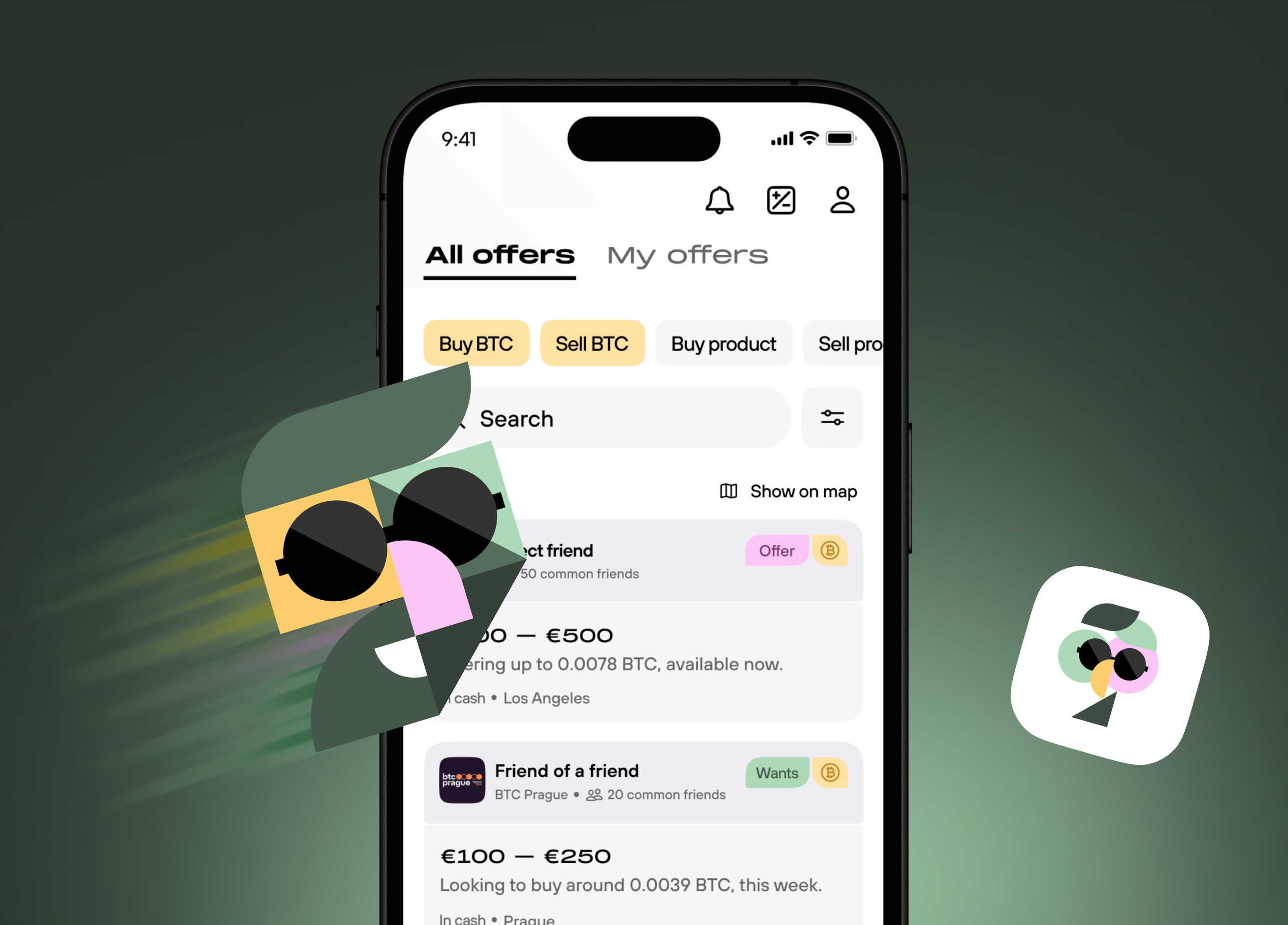
P2P trading isn't a novel concept—it has a rich history dating back to early pioneers like LocalBitcoins. Although centralized platform pressures forced many legacy pioneers to close, the ethos of private exchange evolved. Open-source,free apps like Vexl (a non-profit initiative by the founders of SatoshiLabs and Trezor) have built non-custodial marketplaces grounded in a "Web of Trust".
By connecting securely through your contacts and extended network, Vexl allows you to trade with buyers and sellers locally—while scaling globally wherever your trusted network reaches—without ever requiring a passport, ID, face scan,or bank account registration. Vexl never holds your funds or acts as a custodian; the Bitcoin moves directly between peers.
The Bottom Line
Self-custody keeps your coins safe from third-party insolvencies, but non-KYC peer-to-peer trading keeps your identity safe from surveillance capitalism and hackers. To achieve true financial sovereignty, you must protect more than just your private keys—you must protect your privacy, minimize your digital footprint, and trade on your own terms.